

What Is a Band Saw Used For? Key Uses & Materials
 In modern manufacturing and construction, the quality of products relies on components that are cut accurately and fit together seamlessly. From furniture frameworks and vehicle structures to large steel H-beams used in building, precision in size and shape is essential to both function and safety.
Across the history of manufacturing, various cutting methods have been applied to shape materials for different needs. As the demands for accuracy are getting higher, band saw has become an ideal choice for modern manufacturing processes. In this article, we will explore what a band saw is used for, what materials it can cut, and what the common workpiece forms we can see in band saw cutting.
What Is a Band Saw Used for?
Cut-off
After raw metal material, such as solid bars, tubes, structural channels, steel plates, or H-beams, are produced in uniform, large sizes, they are usually too large to be handled directly. Band saws can be used to cut these materials into shorter, more manageable lengths, making them easier to transport, store, and prepare for further processes.
Batch cutting to length
A band saw is very efficient in batch cutting where long bars, tubes or other long raw materials are cut into multiple workpieces of uniform length. With programmed lengths and precise feed control, a band saw can rapidly produce shorter parts in large quantities.
Kitting & Job Preparation
Apart from batch cutting, a band saw can also cut raw materials into different specified lengths based on production needs. These workpieces are then grouped into kits for downstream manufacturing processes.
Miter/angle cutting
In many fabrication tasks, materials need to be cut at angles rather than at a straight 90º cut. Common angles such as 30º, 45º or 60º are often required when forming frames or joints. While angled cuts can be made on a standard band saw through manual setup and positioning, a miter band saw can perform this task more efficiently. Instead of keeping the blade fixed in a vertical position, the saw frame of a miter band saw can rotate to the required angle. This allows the blade to enter the workpiece at the desired angle while the material itself remains stationary.
Materials You Can Cut with a Band Saw
Band saws can cut many different materials, because their continuous blade motion allows controlled, stable material removal. This makes them suitable for materials with very different physical characteristics, from hard metals to soft plastics and layered composites. This versatility makes them useful in personal garages, workshops and factories across many industries.
Ferrous Metals
Ferrous metals contain iron and are typically dense, strong and resistant to deformation. These materials often generate high cutting forces and heat, which can affect accuracy and tool life if not properly controlled. Band saws are well-suited for ferrous metals because their steady, straight cutting action helps maintain dimensional accuracy while reducing vibration and excessive localized heat.
Carbon steel
Carbon steel offers a balance of strength and machinability, making it one of the most commonly used structural materials. When cutting carbon steel, stable feed control is important to ensure straight cuts and uniform lengths. A band saw provides a consistent cutting path and controlled cutting speed, producing square cut faces with minimal distortion. Carbon steel is widely used in bicycle frames, furniture frames, and general metal structures.
Alloy steel
Alloy steel contains additional elements that increase strength and hardness, but also make it more demanding to cut. Its higher resistance can place greater stress on cutting tools. A band saw allows slower, steady cutting to prevent blade overload and excessive heat. Alloy steel can be commonly found in vehicle frames and heavy-duty metal parts that need higher strength and durability.
Stainless steel
Stainless steel is corrosion-resistant but sensitive to heat during cutting, which can lead to work hardening and surface damage. Band saws distribute cutting forces and heat more evenly along the blade, reducing localized overheating. This helps preserve surface quality and edge integrity in stainless steel parts used in food processing equipment, medical tools, and architectural applications.
Cast iron
Cast iron can withstand high loads without deforming, but because it lacks ductility, it fractures suddenly under sudden stress, making it strong yet prone to chipping. The steady, low-impact cutting action of a band saw helps reduce cracking and edge damage. Frequently used for machine frames, engine parts, and sturdy equipment casings where stability and strength are important.
Non-Ferrous Metals
Non-ferrous metals do not contain iron and are often chosen for being lightweight, corrosion-resistant, or easy to shape. An easy-to-shape material tends to deform during cutting, so controlled edge quality and material removal become important. A band saw allows these softer metals to be cut cleanly and accurately, remaining smooth edges and consistent dimensions with minimal material waste.
Aluminum
Aluminum is lightweight and relatively soft, which allows high cutting speeds but can lead to edge deformation if not controlled. A band saw supports efficient cutting while maintaining clean edges, even for thin-walled or complex profiles. Aluminum is commonly used for window and door frames, ladders, and lightweight components in household and transportation products.
Copper
Copper is soft and highly ductile, making it easy to deform during cutting. Band saw cutting applies steady pressure, helping maintain clean, even cut ends without excessive burr formation. Copper is widely used for electrical wiring, water pipes, heat exchangers, and decorative architectural elements.
Brass
Brass combines good strength with excellent machinability and is often chosen for its warm, golden appearance and smooth surface finish. While it cuts easily, controlled cutting helps preserve surface finish. Band saws produce smooth, consistent cuts in brass components used for water taps, door handles, musical instruments, and decorative hardware.
Bronze
Bronze offers high wear resistance and durability, especially in moving parts. Preserving surface quality is important during cutting. Band saws provide smooth, consistent results and preserve surface finish. The machined bronze is commonly found in musical instruments, sculptures, water fittings, and long-lasting parts that are subject to frequent movement or friction.
Titanium
Titanium is highly heat sensitive because it has low thermal conductivity. This means heat generated during cutting does not dissipate quickly into the material and instead concentrates at the cutting edge, which can cause rapid tool wear and surface damage. Because a band saw uses a continuous blade with controlled cutting speed and brief tooth contact, heat is distributed along the blade and removed by coolant, reducing localized heat buildup when cutting heat-sensitive materials such as titanium. Titanium is used in high-performance bicycles, medical devices, eyewear frames, and premium consumer products where strength and light weight are important.
Plastic
The continuous blade in a band saw helps prevent melting, tearing or chipping and produce clean, neat edges. An automatic bandsaw machine can cut a wide range of plastic materials, from rigid sheets like acrylic or PVC to softer engineering plastics used in housing and panels.
Composites
Composites are commonly used in interior design and vehicle frames. They can be lightweight and have glossy appearance. A band saw can cut through these complex stacks with surprising cleanliness, even when several materials are layered together. Its steady blade motion and proper blade selection allow it to slice through multiple layers while minimizing fraying or falling apart.
Wood
In woodworking, band saws are valued for its clean edges and less sawdust. Although there are many ways to cut wood, ranging from hand saws and jigsaws to chainsaws for rough cutting. However, these saws are typically designed for portability rather than cut quality. A band saw offers better control and stability, allowing wood to be cut along a smooth, continuous line. This results in cleaner edges and more consistent cuts, especially when working with solid wood or laminated boards which are multilayer.
Common Workpiece Forms
Bars
Round, square, or flat bars are among the most common workpiece forms processed by band saws. Because bars are typically produced in long, uniform lengths, band saws are ideal for cutting them into shorter pieces with consistent accuracy.
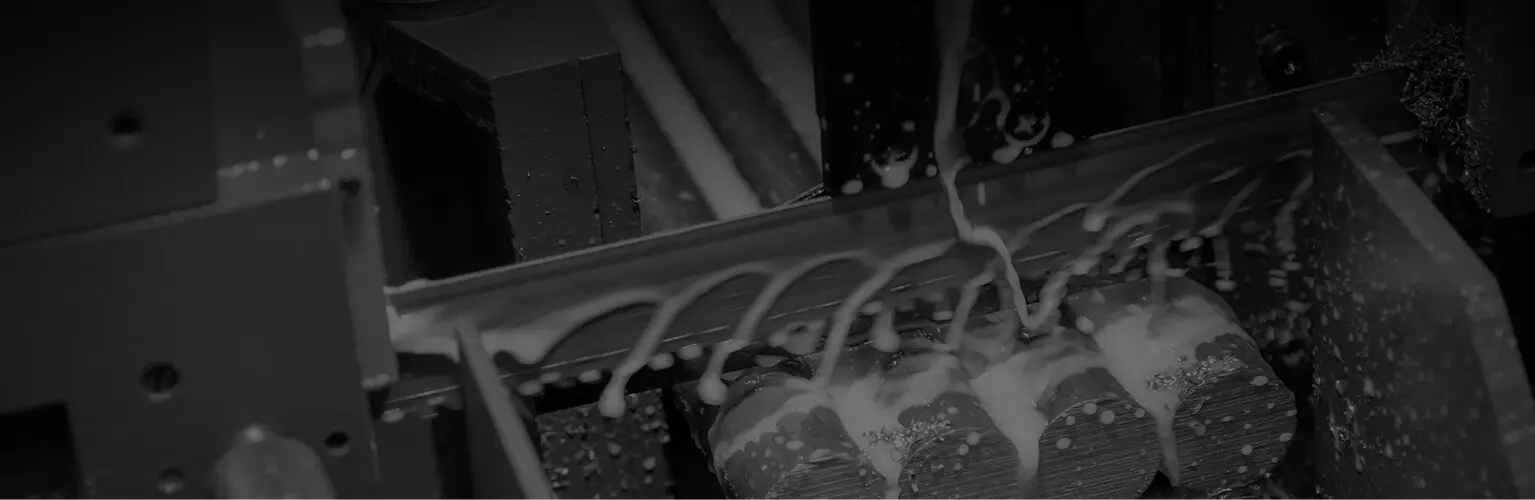
In many applications, bars can also be cut in bundles, allowing multiple workpieces to be processed in a single cutting cycle. This improves cutting efficiency and productivity, especially when handling large quantities of bar stock. When performing such cuts, operators must also consider kerf loss, the material removed by the blade width, to maintain accurate final lengths.
Tubes
Tubes and pipes require controlled cutting to avoid deformation or uneven edges, especially for thin-walled materials. A band saw applies steady cutting force rather than sudden impact, which helps preserve the shape of tube during cutting and reduces the need for secondary reshaping before further processing.
Beams
Structural beams are heavy, thick and often difficult to cut with portable or hand saws. Band saws are ideal for cutting H-beams and I-beams because they can raise the cutting frame to make room for the thick workpiece and safely secure the workpiece during cutting.
Plates
When cutting metal plates or flat stock, heat buildup are major concerns, because it leads to distortion. Compared with thermal cutting methods, band saw cutting generates minimal heat and avoids edge distortion. This makes band saws suitable for sizing plates for further fabrication.
Extrusion
Extruded materials, such as aluminum profiles, often have complex cross-sections that require clean, accurate cuts to maintain proper fit. A band saw can cut extrusions smoothly across their entire profile, even when multiple pieces are stacked together. This makes it an efficient solution for cutting window frames, structural profiles, and custom aluminum components to precise lengths.
Conclusion
Band saws play an essential role in modern manufacturing by delivering stable, straight cuts while minimizing material waste and heat buildup. Their controlled cutting motion makes them well-suited for preparing raw materials to accurate, repeatable sizes, supporting efficient, reliable downstream processing.
MEGA Machine's band saw machines are purpose-designed for cutting both ferrous and non-ferrous metals. Built to handle a wide range of metal materials, workpiece shapes, and cutting conditions, our band saws offer the flexibility needed to support diverse production requirements – from standard metal cutting to application-specific operations. By choosing MEGA, manufacturers gain a cutting solution that combines material versatility, operational stability, and adaptability to real-world metalworking demands.
Contact us today to discuss your material types, workpiece requirements, and production goals, and let our specialists help you identify the most suitable band saw solution for your metal cutting applications.